.png?width=311&height=92&name=Euro%20Systems%20UK%202%20(1).png "Euro Systems - Architectural Systems, Doors & Windows, Interior & Outdoor Shading, Blinds and Curtains, Pergolas")

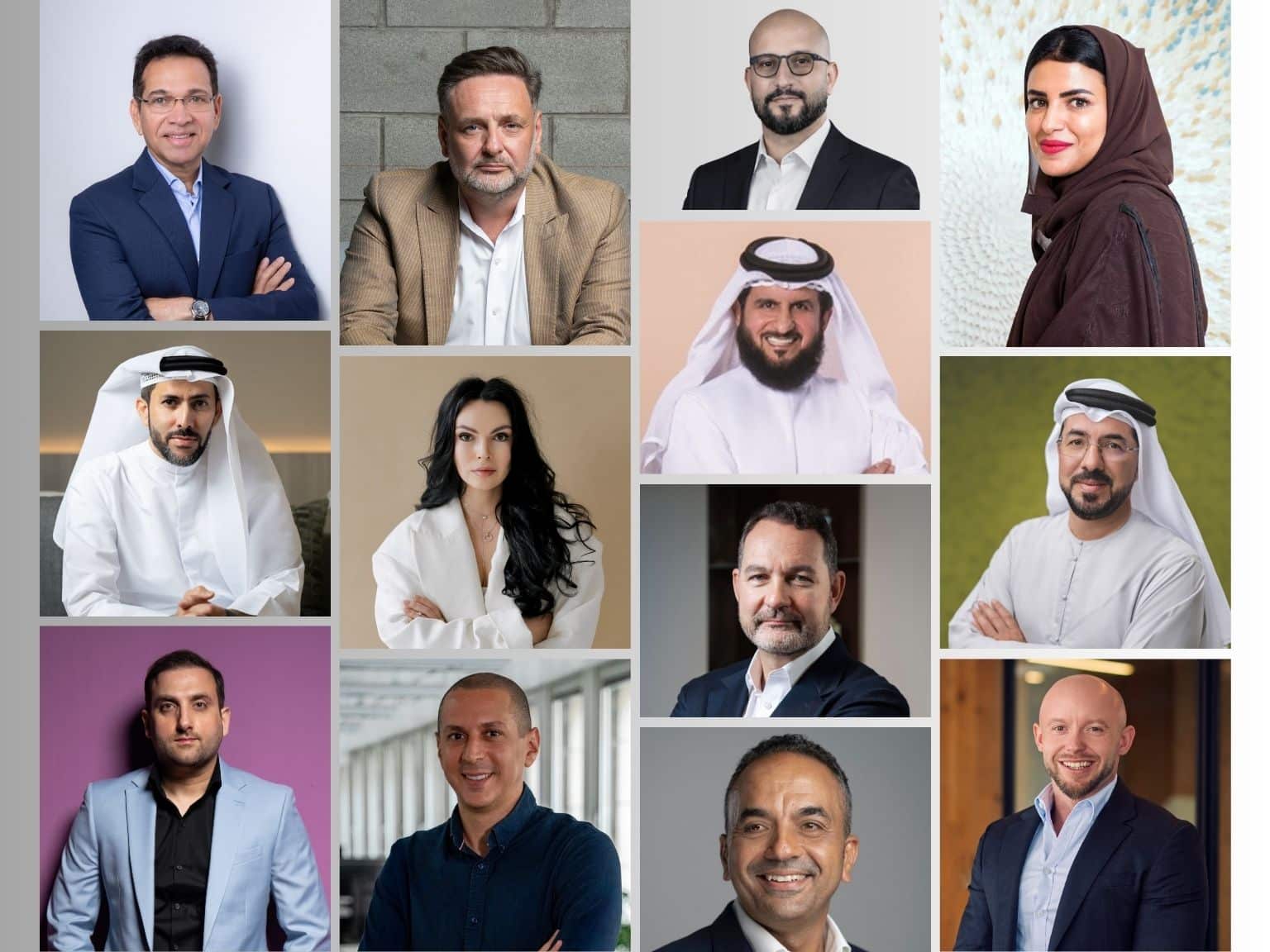
Dubai has introduced a new law designed to strengthen building safety and ensure assets continue to perform effectively throughout their lifecycle.
Law No. (3) of 2026 on the Quality and Safety of Buildings, issued by His Highness Sheikh Mohammed bin Rashid Al Maktoum, Vice President and Prime Minister of the UAE and Ruler of Dubai, establishes a regulatory framework that extends well beyond the construction stage. The legislation places clear responsibility on building owners, developers, consultants, contractors and facilities management teams to ensure buildings remain safe and operational over time.

Dubai’s built environment continues to grow rapidly, prompting stronger regulatory oversight on building safety and long-term asset performance
The regulation applies to all buildings across the emirate, including those in private development zones and free zones such as the Dubai International Financial Centre. Violations could result in fines ranging from AED 100 to AED one million, with repeat offences attracting penalties of up to AED two million.
Industry observers say the law reflects the natural evolution of a city where the building stock has expanded rapidly over the past twenty years.

John Cole, Director of Facility Management, Expo City Dubai
John Cole, Director of Facility Management at Expo City Dubai, sees the legislation as an important step in managing the long-term performance of the emirate’s built assets.
“It is reassuring and appropriate to see this new law issued in Dubai,” he said. “As the city’s building stock has grown significantly over recent decades, the responsibility now shifts towards ensuring that these structures remain safe, resilient and suitable for people to live and work in long after their initial construction.”
Cole added that the regulation reinforces the idea that the lifecycle of a building does not end at completion. It requires ongoing oversight, maintenance and professional stewardship.
A Lifecycle Approach to Building Performance
One of the central elements of the legislation is the introduction of a Quality and Safety Certificate, issued only after a comprehensive inspection conducted by a licensed engineering office. The certificate will be valid for ten years for buildings under 40 years old and five years for buildings that are 40 years or older.
The requirement formalises the idea that building performance must be verified periodically rather than assumed.
For the MEP sector, this shift moves compliance from a one-time design milestone to an ongoing operational responsibility.

Imran Shaikh, Director of MEP and Specialisms, Ramboll
Imran Shaikh, Director of MEP and Specialisms, Ramboll Imran Shaikh, Director of MEP and Specialisms at Ramboll, believes the regulation fundamentally changes how building services are viewed.
“Dubai’s Law No. (3) of 2026 fundamentally elevates the MEP industry by shifting compliance from a design-stage obligation to a full lifecycle responsibility,” he said, “requiring building services systems to be demonstrably safe, maintainable and performance verified through regular inspections, certification and operational oversight.”
The emphasis on continuous oversight also strengthens the role of facilities management teams, who ultimately oversee the performance of building systems once projects are handed over.

Jamal Abdulla Lootah, CEO, Cleanco Group
Jamal Abdulla Lootah, CEO of Cleanco Group, said the regulation could help create stronger alignment across the built environment supply chain.
“The introduction of this law reflects Dubai’s continued commitment to strengthening infrastructure quality, safety and long-term sustainability,” he said. “For the FM sector, the law represents an important step towards greater alignment between developers, consultants and service providers in safeguarding the performance and resilience of built assets.”
“For forward-looking FM providers, it also presents an opportunity to elevate maintenance practices, asset lifecycle management and documentation standards in line with Dubai’s global benchmarks for urban excellence,” he added.

Ali Alsuwaidi, Chairman of Global FM and Vice President of the Middle East Facility Management Association
Ali Alsuwaidi, Chairman of Global FM and Vice President of the Middle East Facility Management Association, said, “It’s important to look at how buildings are designed from a safety, efficiency and sustainability perspective, how that design is translated through construction quality, and ultimately how owners ensure assets are properly maintained.”
“While the regulation focuses on engineering certification, safety certification and inspections, there will also be a growing need for FM professionals to take a strategic view of maintainability and operability,” he said. “This move highlights the strategic role of FM and encourages stronger lifecycle thinking and a clearer understanding of total cost of ownership.”
Raising the Bar for Engineering Accountability
From a construction perspective, the regulation reinforces quality control and engineering accountability across both the delivery and operational stages of projects.

Tarek Emara, QA/QC Director at CSCEC Middle East, described the law as a major step forward for quality governance in the sector across the full lifecycle of assets. “By mandating periodic inspections and quality certification, the law reinforces engineering accountability and elevates quality management practices within the construction sector,” he said.
He added that similar frameworks already exist in highly regulated international markets. “Similar to advanced regulatory frameworks in Singapore and the UK, this initiative demonstrates Dubai’s leadership in setting global benchmarks for safe, resilient and high performance built environments.”
Tarek Emara, QA/QC Director, CSCEC Middle East
Addressing Ageing Buildings and Retrofit Needs
Although the legislation applies to both new and existing developments, its most immediate impact may be felt across Dubai’s ageing building stock.

Marc Lynch, Associate at Cundall, explained that a growing number of buildings in the city are approaching the stage where major mechanical, electrical and life safety systems require replacement or significant upgrades.
“This is likely to drive increased demand for building condition assessments, MEP compliance audits, lifecycle planning and targeted retrofit strategies. These technical reviews help asset owners understand the true condition of their buildings, prioritise upgrades, manage operational risk and plan capital investment over the remaining life of an asset,” he said.
In some cases, the regulation could also help address the risk of underperforming or stranded assets.
“We are already beginning to see early indicators of what could become a stranded asset challenge across parts of the existing building stock,” Lynch said. “As ageing infrastructure, evolving safety expectations and new sustainability requirements begin to converge, there is growing focus on deep retrofit strategies that allow assets to remain safe, compliant and commercially viable.”
Digital Oversight and Data Transparency
The law also introduces a stronger digital component. Dubai Municipality will establish a unified building database and digital management system to support inspections, documentation and compliance tracking.
For technology providers, this reflects the industry’s broader shift towards data driven asset management.

Ibrahim Imam, Co-CEO of PlanRadar, said the law highlights the growing importance of accurate documentation and system visibility.
“Dubai’s new building quality and safety law is highly relevant for the MEP sector because the long-term safety and performance of any building depend heavily on how well critical systems are assessed, maintained and documented over time,” he said.
“The law’s emphasis on regular building assessments, ongoing maintenance, digital management and unified building records reflects a more structured approach to lifecycle oversight. Ibrahim Imam, Co-CEO, PlanRadar
“For MEP stakeholders, this raises the importance of clear visibility over the condition, servicing and corrective actions related to essential building systems. Better system oversight and more reliable building data will be essential to maintaining compliance, protecting occupants and supporting long-term asset performance,” he added.
Supporting Confidence in a Growing Market
The introduction of the law comes at a time when Dubai’s real estate market continues to expand at a significant pace.
Industry data shows the emirate recorded more than 270,000 real estate transactions valued at approximately AED 917 billion last year, highlighting the scale and maturity the market has reached.
For developers, strong regulatory frameworks are essential to maintaining investor confidence in such a dynamic environment.

Abdulla Lahej, Chairman of Amaal, said, “The introduction of this law reflects Dubai’s consistent approach to strengthening governance and raising the bar for construction quality as the emirate’s urban landscape continues to expand.”
“At this level of growth, robust regulations around building quality, safety and compliance become even more critical. They help ensure that development keeps pace with demand while protecting long-term asset value and maintaining the confidence of residents, investors and global stakeholders,” he added.

Michael Belton, CEO of MERED, echoed this view.
“Clear requirements for inspections, maintenance and certification strengthen accountability and ensure buildings remain safe, efficient and well managed throughout their lifecycle,” he said. “Regulation of this nature ultimately reinforces the foundations of the market and supports Dubai’s position as one of the world’s most trusted real estate destinations.”
Strengthening the Built Environment Ecosystem
Industry voices also emphasise that building quality extends beyond structure alone. It affects how spaces are designed, delivered and experienced by occupants.

Mohammed Fiaz Khazi, Managing Director of Euro Systems, welcomed the regulation as part of Dubai’s broader commitment to safety and sustainability.
“Structural integrity, efficient operations and regular maintenance are essential for occupant well-being and for fostering confidence across communities and businesses in the UAE,” he said.

Arch. Mohamed Salah Seguen, CEO of Access Consult and member of the Excellence Consortium, said the regulation also highlights the importance of building services systems that are often overlooked.
“In the construction sector, quality is often judged by visible finishes, but some of the most critical elements of a building are the systems hidden above ceilings, inside shafts and behind walls,” he said. “This initiative reflects a forward-thinking approach by Dubai leadership to raise standards across all aspects of building quality, not only what is seen, but also what is essential for safe and reliable performance.”

Noor Al Muhaideb, Founding Partner at Opaal Interiors, said, “Dubai’s construction sector continues to expand rapidly, with the UAE’s construction output on track to grow by 22% to $130 billion by 2029. In a market of this scale, maintaining rigorous standards becomes essential to ensure that growth is both responsible and sustainable. From an interior design perspective, stronger regulations ensure that safety, durability and functionality are integrated into spaces from the outset.”

Nataliia Melnyk, Founder of NKEY Architects, added that strong building regulations also support Dubai’s long-term urban identity.
“Dubai has built a strong reputation as one of the safest cities in the world, and maintaining this level of safety is essential for the city’s continued growth,” she said. “Policies that focus on safety, quality standards and thoughtful urban development help ensure the city continues to grow in a balanced and sustainable way.”
A New Phase for Dubai’s Buildings
With a one-year compliance timeline and enforcement led by Dubai Municipality, the regulation marks a clear shift in how buildings will be monitored and maintained across the emirate.
For both the FM and MEP sectors, the message is clear. Building performance will increasingly be judged not only by how assets are designed and delivered, but by how well they are maintained and managed throughout their operational life.
As Dubai’s skyline continues to expand, Law No. (3) of 2026 may ultimately redefine the conversation around building quality, placing lifecycle responsibility at the centre of the built environment.